
 English
 Views: 168 Author: DEYUAN 041 Publish Time: 2026-08-14 Origin: Site

On the vast ocean, a ship operates as an independent enclosed space, where fire remains one of the gravest threats to both life and property. Once a fire breaks out, smoke and high temperatures can spread rapidly through narrow compartments, leaving the crew with an extremely limited window for response. The marine fire alarm system is precisely designed for this purpose—through a sensor network distributed throughout the vessel, it continuously monitors smoke, temperature, and flame signals 24 hours a day, issuing audible and visual alarms at the incipient stage of a fire, thereby affording the crew precious time for emergency response. The fire alarm system is not merely a technical tool for safety management; it is also a core piece of equipment mandated by the International Convention for the Safety of Life at Sea (SOLAS), carrying a solemn commitment to the safe return of every voyage.
The fundamental value of the marine fire alarm system lies in "early detection and rapid response." Its detector network covers all critical areas including engine rooms, cargo holds, accommodation areas, and galleys, capable of accurately identifying smoldering smoke or abnormal temperature rises, preventing small fires from escalating into major disasters due to being concealed. Once the alarm is triggered, the system immediately displays the specific fire zone on the bridge and in the engine control room. This series of automated responses significantly shortens the time gap between detection and action, providing effective support for the crew in organizing firefighting and personnel evacuation.
In addition, modern marine fire alarm systems are typically equipped with fault self-diagnosis functions, capable of real-time monitoring of detector circuit status to ensure the system remains on standby alert under any adverse sea conditions.
Fire is merciless, but prevention comes first. A marine fire alarm system that complies with international standards and responds with precision is the first line of defense against fire hazards and a tangible reflection of the shipowner's commitment to safety responsibilities. Under the dual safeguard of technology and accountability, let us watch over every voyage with the eyes of technology, ensuring a safe return each and every time.
Marine Fire Alarm System-FAQ
Q1: What is a Marine Fire Alarm System?
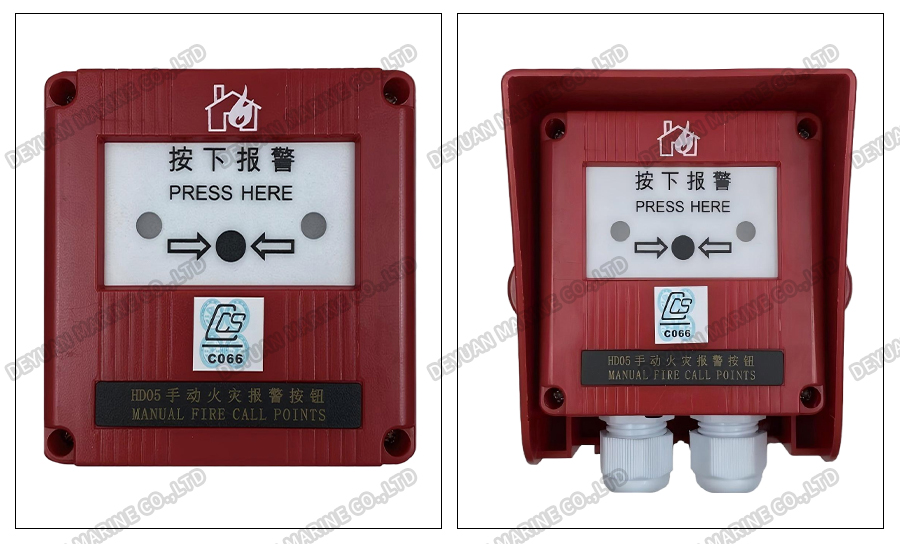
A: A Marine Fire Alarm System is an automatic fire detection and alarm device installed on ships. Its core components include fire detectors (smoke, heat, and flame detectors), manual call points, and a fire alarm control panel. The system detects fires by sensing changes in temperature, smoke concentration, or light waves, converts the detection signals into electrical signals, and transmits them to the alarm controller to provide audible and visual alarms and zone indication.
Q2: Why is the Marine Fire Alarm System considered the "core equipment" of shipboard fire protection?
A: The system serves as the "24/7 fire sentry" of the vessel. It provides early warning at the incipient stage of a fire, automatically triggers associated fire-fighting equipment (such as ventilation shutdown, fire damper closure, and fire extinguishing system release), and pinpoints the exact fire location to guide crew response. Its performance directly determines the safety of the ship, making it a top priority in maritime safety inspections.
Q3: What are the main types of fire detectors used on ships?
A: There are three primary types:
*Smoke detectors: Ideal for corridors and accommodation spaces, as smoke is often the first sign of a smoldering fire.
*Heat detectors: Installed in galleys and similar areas where smoke detectors would cause false alarms due to cooking fumes. They trigger only when the ambient temperature reaches a dangerous threshold.
*Flame detectors: Used in high-risk zones to detect the light waves emitted by flames.
Q4: What are the regulatory requirements for Marine Fire Alarm Systems?
A: Marine fire alarm systems must comply with the International Convention for the Safety of Life at Sea (SOLAS), specifically Chapter II-2, Regulation 7, and the International Code for Fire Safety Systems (FSS Code), Chapter 9. Systems must also obtain type approval from classification societies such as CCS, ABS, or DNV. Requirements cover detector placement, zoning, emergency power supply, and periodic testing.
Q5: What should I do when a false alarm occurs?
A: First, press the "SILENCE" button on the control panel to mute the panel buzzer. Then investigate the source of the alarm. After eliminating the cause of the false alarm, press the "RESET" button to restore the system. Common causes of false alarms include improper detector sensitivity selection, excessive humidity, dust accumulation, mechanical vibration, and aging detector components. Crew should never cover detectors to avoid alarms, nor attempt to repair detectors themselves using salvaged parts from failed units.