
 English
 Views: 0 Author: Site Editor Publish Time: 2025-12-28 Origin: Site

You help keep your vessel safe. Engine room safety needs good air quality. Marine ventilation equipment stops dangerous problems and keeps your crew healthy. Regular air checks help you find hazards like high carbon monoxide or carbon dioxide. These risks can make people sick and slow down work. Deyuan Marine gives you systems that help your vessel run safely and smoothly.
Marine ventilation equipment is very important for clean air in engine rooms. It stops dangerous gases from building up. Regular air checks can find harmful gases like carbon monoxide. This keeps the crew safe and healthy. Good ventilation lowers the chance of overheating, fire, and explosions. It does this by controlling air flow and temperature. Strong fans and dampers help move air around. This keeps engines cool and working well. Checking and fixing ventilation systems often is important. It helps avoid expensive repairs and keeps everyone safe for a long time. Deyuan Marine gives good ventilation solutions that follow safety rules. This makes sure the ship is safe and follows the law. Custom ventilation systems can be made for different ships. This makes them safer and work better. Buying good marine ventilation equipment keeps your crew, cargo, and ship safe. It also helps the ship work better.
There are many dangers in the engine room. One big danger is toxic gases. These gases come from fuel leaks, oil spills, or engine exhaust. Engines and generators make fumes like carbon monoxide and other bad chemicals. Without marine ventilation equipment, these fumes can build up fast.
Marine ventilation equipment helps get rid of these gases. Fans and exhaust systems push out bad air and bring in fresh air. This keeps the air safe for you and your crew. You need this equipment to stop poisonous fumes from getting too high. Good ventilation gets rid of poisonous fumes. This stops them from building up. It also lowers the chance of explosions and fire from flammable gases.
You want your crew to be healthy and awake. Breathing toxic fumes can make people dizzy or tired. It can even make them very sick. If people breathe these fumes for a long time, they can get headaches or breathing problems. Sometimes it can be worse. Marine ventilation equipment keeps everyone safe. It makes the air clean and helps you avoid health problems.
Note: Ventilation systems in hazardous material storage buildings are important. They keep air moving and get rid of bad fumes. This helps lower risks.
Using portable blower exhaust fans helps cool spaces. It also removes exhaust gases. This makes overheating and suffocation less likely for your crew.
Engines and machines make a lot of heat in the engine room. If you do not control the heat, machines can break or catch fire. You need strong marine ventilation equipment to keep things cool. Engine room ventilation systems move hot air out and bring cool air in. This helps engines work better and last longer.
Good airflow cools engines and stops fire dangers.
Marine ventilation fans and fire dampers control air and block smoke in emergencies.
Portable fans can quickly move hot air out of small spaces.
You always need to think about explosions. Flammable gases can build up without good ventilation. Marine ventilation equipment helps stop this. It moves air and fumes out of the engine room. This lowers the chance of fire or explosion.
Proper ventilation keeps these areas cool and free of bad fumes. Good systems lower the risk of fires and equipment problems. This makes things safer.
Deyuan Marine has many engine room ventilation solutions. You can get adjustable dampers, air vent heads, axial fans, centrifugal fans, and fire dampers. Each product helps stop hazardous fumes and overheating. When you pick Deyuan Marine, you get equipment that meets international standards and keeps your vessel safe.
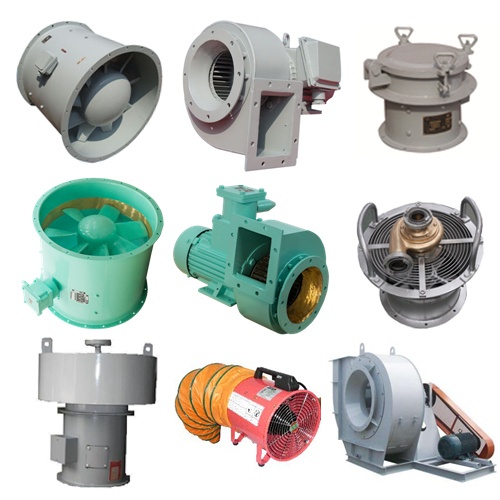
Knowing how a marine ventilation system works helps you keep your engine room safe. You should learn about the main parts and how they work together. This helps protect your engine and your crew.
There are two main types of marine ventilation systems in engine rooms. These are active and passive systems. Each type uses different parts to move air and keep things cool.
Type of Ventilation | Components | Role |
|---|---|---|
Active Ventilation | Exhaust Fans, Blowers, Ducted Airflow Systems | Move air with power, take out hot air, fumes, or moisture |
Passive Ventilation | Cowl Vents, Dorade Boxes, Louvered Vents | Use wind and natural air to help ventilation without machines |
Fans and blowers push hot air out and bring in fresh air. Dampers help you control how much air moves through the system. You can change the dampers to let more or less air in different places. This helps keep the temperature safe for your engine.
Exhaust fans should be placed high in the engine room. This helps remove hot air that goes up from the engine. Intake vents are lower to bring in cool air. Blowers keep working after the engine is off to cool it down faster. You control the marine ventilation system to keep the engine room at the right temperature and air quality.
Good airflow stops engines from getting too hot.
Proper ventilation lowers fire risks by controlling air and heat.
Exhaust blowers pull in fresh air and push out hot air.
A marine ventilation system uses supply and exhaust to keep the engine room safe. Supply fans bring in fresh air for the engine. Exhaust fans take out hot air, fumes, and moisture. You need to balance the air coming in and going out. Engine makers like Caterpillar say you need 2.5 cubic feet per minute per horsepower for forced ventilation. Exhaust airflow should be 110% to 120% of the inlet airflow. This keeps your engine cool and working well.
You also need to watch the temperature at the engine air inlet. It should not be more than 30°F higher than outside. Some rules, like ISO 8861, say it should be even lower. If the air is too hot, your engine can lose power or get damaged.
When you pick a marine ventilation system from Deyuan Marine, you get products that meet top world standards. Deyuan Marine’s systems have certifications like ABS, BV, GL, DNV, LR, CCS, USCG, ISO9001-2015, SGS, and IACS. These show your marine ventilation system is safe and reliable for your engine room.
You can trust Deyuan Marine to give you a system that works in tough places. The company makes each part strong to last and keep your engine safe. You also get help to set up and take care of your marine ventilation system. This means your engine stays cool, your crew is safe, and your vessel works well.
Tip: Make a Safety Management System (SMS) to control risks in your engine room. A good marine ventilation system is an important part of this plan.
There are many dangers in the engine room. One big danger is toxic gases. Carbon monoxide is a gas you cannot see or smell. Breathing too much can make you dizzy or give you a headache. It can even make you pass out or die. Marine ventilation equipment helps get rid of carbon monoxide and other bad gases. Clean air keeps your crew safe. Good ventilation stops dangerous fumes from building up.
Tip: Always check your ventilation system often. This helps you avoid health problems from toxic gases.
You need to control flammable vapors in the engine room. These vapors can come from fuel leaks or oil spills. If vapors build up, they can catch fire or explode. Marine ventilation equipment moves these vapors out fast. This lowers the risk of fire or explosion. Good airflow keeps vapors from collecting. Fire hazard prevention starts with strong ventilation. You also protect your crew and equipment from sudden accidents.
Put exhaust fans near places where vapors can gather.
Use dampers to control air and block smoke if there is a fire.
You want your machines to last a long time. Overheating is a common reason machines break in engine rooms. When machines get too hot, they can stop working. Marine ventilation equipment helps remove heat and keeps machines cool. You can see the benefits in the table below:
Finding | What It Means |
|---|---|
More ventilation flow cuts the area of natural gas by 2/3 when flow is doubled. | This helps control bad gas levels and lowers the chance of machines breaking from gas build-up. |
Good air outlet layout helps heat leave faster. | This stops machines from getting too hot, which often causes them to break. |
Faster ventilation from 2 to 6 m/s lowers bad gas zones a lot. | Less bad gas means safer work and fewer machine problems. |
You can make the engine room safer by checking your ventilation system. Good airflow keeps machines cool and stops breakdowns. You also lower fire risks and protect your investment.
Note: Take care of your ventilation system often. This helps you avoid expensive repairs and keeps your vessel working well.
Strong fans help keep engine rooms safe. Fans move air and control heat. They also take away fumes and moisture. There are different fans for ship rooms. Each fan type has special uses.
Here is a table that shows the main kinds of engine room fans for ships and what they do:
Fan Type | Key Features |
|---|---|
AC High Volume Fans | Cooling power, can be changed, speed choices, strong build |
DC High Volume Fans | Moves lots of air, tough parts, custom sizes, works well, speed choices |
DC Compact Fans | Saves space, costs less, handles less pressure, tough build, follows rules, many choices, 3-year warranty |
AC Axial Compact Fans | Small size, costs less, one speed, strong build, IP44 rated, full kit, warranty |
DC Inline Blower Fans | Hard plastic case, low power motor, light weight, meets ISO rules |
Mixed Flow Fans | Two speeds, duct choices, can push or pull air, 3-year warranty |
Fans help keep rooms cool and safe. They control how air moves in engine rooms. You can pick fans that fit your room size. Fans also help you follow safety rules for ships.
Dampers and vent heads help keep engine rooms safe. Dampers control how much air goes in and out. You can open or close dampers to change airflow. Motorized louvers can close to stop oxygen from feeding a fire. This helps control fires.
Vent heads bring in fresh air and keep water out. Moisture eliminators in vent heads take out salt and water from air. This keeps engines safe from rust. You need vent heads to keep air clean and dry.
Good ventilation keeps rooms safe and working well.
Special dampers help you control air in engine rooms.
Motorized louvers and vent heads protect rooms from fire and water.
Moisture eliminators keep engines safe from salt and water.
Dampers and vent heads help rooms get the right amount of air. They also protect equipment from damage.
Fire dampers and safety devices keep engine rooms safe in emergencies. Fire dampers slow or stop fire and smoke from moving through vents. You use fire dampers to block air and stop fires from getting oxygen. This helps you or fire systems put out fires.
Safety devices work with fire dampers to protect rooms on ships. You need these devices to follow safety rules and keep rooms safe for your crew.
Fire dampers help you stop fires by blocking air and smoke.
Safety devices work with dampers to protect rooms from fire and smoke.
You need fire dampers and safety devices to keep rooms safe on ships.
Check fire dampers and safety devices often. This helps keep rooms safe and ready for emergencies.
When you pick marine ventilation equipment, you want your vessel safe. Deyuanmarine gives you many choices for every part of your ship. You can find what you need for engine rooms, cargo holds, and crew spaces.
You can choose from different equipment types. Here are some main products from Deyuanmarine:
Marine Axial Fans: These fans move lots of air fast. They help cool engine rooms and take away fumes.
Marine Centrifugal Fans: These fans push air through long ducts. They help control air in small spaces.
Marine Adjustable Dampers: Dampers let you change how much air goes into each area. This helps keep the right temperature and air quality.
Marine Air Vent Heads: These vent heads bring in fresh air but keep water out. They protect your equipment from getting wet.
Marine Fire Dampers: Fire dampers stop fire and smoke from moving through the vents. You need these to stay safe.
Marine Gooseneck and Mushroom Ventilators: These ventilators let air in and keep rain and spray out. They work well in bad weather.
Marine Ventilation Grills: Grills cover air openings and keep out trash. They help keep the system clean.
Portable Axial Fans: You can move these fans to places that need more air. They are good for small areas or quick jobs.
Deyuanmarine has products for every marine ventilation need. Each item is strong and works well in tough sea weather. You do not have to worry about things breaking or not working.
Deyuanmarine makes products that follow strict world rules. You get equipment that meets SOLAS and IMO rules. The company also gets approval from groups like CCS, ABS, RMRS, and DNV. This means you can trust every product to be safe and high quality.
Here is a table that shows how Deyuanmarine’s products help you:
Feature | Details |
|---|---|
Compliance | Follows SOLAS & IMO rules. |
Major Class Approvals | Approved by CCS, ABS, RMRS, DNV, and more. |
Construction Materials | Strong materials for tough sea use and impact resistance. |
Performance | Fast response in hard sea conditions. |
Design | Easy to use and safe for crew. |
You get more than just strong equipment. You get products that keep your crew, cargo, and ship safe. Deyuanmarine cares about quality and rules, so you can feel sure. You know your ventilation system will work anywhere you go.
If you want to see all the choices, visit the Deyuanmarine product page. You can find more details and ask for help to pick the best equipment for your ship.
Tip: Always check if your ventilation equipment meets the newest safety rules. This keeps your ship safe and helps you pass inspections.
You have to follow rules from the International Maritime Organization (IMO) when putting in marine ventilation equipment. These rules help keep your ship safe and legal. The IMO makes clear rules for building and using ventilation systems on ships. Look at the table below to see some main rules:
Rule/Requirement | Description |
|---|---|
Exemption for Ventilation Systems | Cargo ships under 4000 gross tonnage and small passenger ships with up to 36 people do not need some ventilation system rules. |
Penetration through Fire Divisions | Ventilation ducts cannot make watertight and fire divisions weaker. |
SOLAS Compliance | Ducts going through fire decks must follow special length and thickness rules. |
Flooding Prevention | Ventilation systems must keep water from getting inside the ship. |
Strength Requirements | Ducts on weather decks of ships 80 meters or longer must be very strong. |
Explosion Prevention | Fans in risky areas need anti-explosion protection. Openings must have screens to block things. |
You need to know these rules so your ship can pass checks and stay safe at sea.
You should check your marine ventilation equipment often. Regular checks help you find problems before they get bad. You also need certificates to show your equipment follows all safety rules. Inspectors look for strong ducts, working fans, and safe fire dampers. They also check if your system can stop flooding and block fire or smoke. If you pass these checks, you get a certificate that proves your ship follows the law.
Tip: Keep all your inspection papers in a safe place. This helps you show proof during audits.
Deyuan Marine cares about your safety and the law. The company makes sure every product meets world standards for marine ventilation. You can see how Deyuan Marine follows these rules in the table below:
Compliance Aspect | Description |
|---|---|
Regulation | 47.020.90 |
Purpose | Marine ventilation, air conditioning, and heating systems |
Compliance | Deyuan Marine products meet these codes, so you get safe and reliable systems |
You can trust Deyuan Marine to help you meet all compliance needs. The company tests every product and gets approvals from top groups like ABS, DNV, and CCS. When you pick Deyuan Marine, you know your equipment will pass checks and keep your crew safe.
Note: Following compliance rules is not just about passing tests. It keeps your ship safe and lets you work without legal trouble.
You need to start with a clear plan for proper ventilation on your vessel. Every ship is different, so you must look at several factors before you choose equipment.
Vessel size and type decide how much air you need to move.
The number of rooms and their layout affect how air flows.
Crew size and daily activities change the air quality needs.
Some areas, like engine rooms, cabins, kitchens, and storage, need special attention for proper ventilation.
You must follow all safety rules and standards to protect your crew.
When you check these points, you make sure your system supports crew safety and keeps the air fresh. You also help with temperature and humidity control, which stops mold and keeps machines working well.
You want your marine ventilation system to work at its best. Good installation helps you get proper ventilation and keeps your vessel safe.
Make sure you have fixed vents for all fuel-burning machines.
Design your system so outside air can move through the whole boat.
Put vents at both low and high spots to help air move up and down.
You can also open hatches and portholes to let air cross the space. Vent lockers and storage areas to stop mold from growing. Use dehumidifiers in places with high moisture for better temperature and humidity control.
Tip: Always check that your vents are not blocked. This helps keep air moving and supports crew safety.
You must take care of your ventilation system to keep it working well. Regular checks and cleaning help you avoid problems and keep proper ventilation.
Maintenance Procedure | Description |
|---|---|
Cleaning air ducts | Clean ducts often to stop blockages and keep air moving. |
Maintaining filters | Clean or change filters to keep air fresh and safe. |
Inspecting fans | Check fans often to make sure they work right. |
Adjusting fan settings | Change fan speeds to get the best airflow for each area. |
Repairing or replacing faulty fans | Fix or swap out broken fans to keep proper ventilation. |
You protect crew safety when you keep your system in good shape. You also make sure your equipment lasts longer and your vessel stays safe.
Note: Write down all your maintenance work. This helps you remember what you did and shows you care about proper ventilation.
You want your marine ventilation system to work well for many years. Deyuanmarine helps you reach this goal with strong support and service. When you choose Deyuanmarine, you do not just buy equipment. You get a partner who cares about your ship’s safety and performance.
Deyuanmarine gives you help before, during, and after you install your ventilation system. You can talk to their team about your vessel’s needs. They listen to your questions and offer advice that fits your ship. If you have a special type of vessel or a unique layout, Deyuanmarine can design a custom solution for you. This means your system will match your ship and work better.
You also get technical support from experts. If you have a problem or need to check if your system meets safety rules, you can ask for help. Deyuanmarine’s team knows the latest standards and can guide you step by step. You do not have to worry about missing important details.
Here are some ways Deyuanmarine’s support and service help you:
You get tailored solutions for your vessel. This makes your ventilation system more reliable.
You receive technical support to make sure your system meets safety standards.
You can count on strong customer service for long-term system performance.
You have access to spare parts and repairs if something breaks.
You get advice on how to keep your system working well with regular maintenance.
Tip: Good support means you can fix problems quickly and avoid long delays. This keeps your ship running and your crew safe.
Deyuanmarine also offers after-sales service. If you need help after you buy your system, you can contact their team. They answer questions, help with repairs, and provide spare parts. You do not have to search for help from many places. Deyuanmarine stays with you for the life of your equipment.
You can also ask for training for your crew. Deyuanmarine can show your team how to use and care for the ventilation system. This helps you avoid mistakes and keeps your system in top shape.
When you work with Deyuanmarine, you get more than just products. You get a team that supports you every step of the way. This support helps your ventilation system last longer and keeps your vessel safe.
You want your vessel to work well and not waste money. Ventilation is very important for this. When you use good ventilation, the air stays clean and the temperature is right. Humidity is also controlled. This helps your equipment work better and last longer. You will have fewer breakdowns, so you do not need as many repairs. This means your vessel can keep working without stopping.
Good ventilation uses less energy. Fans and HVAC systems do not work as hard.
You save fuel because your systems run better.
Stable air keeps equipment from getting too hot or breaking.
You avoid expensive problems and your machines last longer.
Modern systems, like those from Deyuan Marine, can change how much air moves based on what your vessel needs. This smart control saves energy. You get better cooling and only use power when needed. Over time, these savings help you spend less money.
Your crew needs a safe and nice place to work. Ventilation helps you give them this. With the right ventilation, you bring in fresh air and take out heat, fumes, and moisture. This keeps the engine room and other spaces at a good temperature.
Proper ventilation also removes bad gases and keeps the air clean. Your crew can breathe well and stay awake. You lower the chance of heat stress and health problems. You also make sure there is enough air for engines to burn fuel safely.
You should balance air coming in and going out. This keeps air moving and stops pressure from building up. If you use Deyuan Marine’s ventilation systems, you get steady airflow and strong safety features. Your crew stays comfortable and can do their jobs well.
You must keep your cargo safe while you move it. Ventilation helps by controlling air and moisture in cargo holds.
"Cargo hold ventilation is used to lower these risks. The big question is how much and when to use ventilation. Sometimes, too much ventilation can make things worse by adding more moisture and oxygen. This can hurt the cargo or make it heat up and give off dangerous gases."
"A good cargo hold ventilation system stops ship and cargo sweat. It brings in fresh air for the cargo and takes away smells that could hurt other goods. It also stops poisonous gases from building up and removes heat and moisture from some types of cargo."
You need to pick the right ventilation for each kind of cargo. This keeps goods safe from wetness, heat, and bad gases. Deyuan Marine has ventilation systems that help protect all kinds of cargo. You can trust their equipment to keep your shipments safe.
When you choose strong ventilation equipment, your vessel works better, your crew is safe, and your cargo is protected. Deyuan Marine gives you what you need for safe and good operation.
You keep your ship and crew safe by picking good marine ventilation equipment. The table below shows how these systems help safety and make things run well:
Benefit | Explanation |
|---|---|
Temperature Control | Stops machines from breaking because of too much heat. |
Humidity Control | Lowers the chance of rust on your ship and its parts. |
Compliance | Makes sure your ship follows rules and passes checks. |
Fresh Air Supply | Gives clean air to people on the ship. |
Contaminant Reduction | Cuts down bad gases and keeps air safe. |
Cargo Preservation | Keeps food and other goods safe by controlling heat and wetness. |
Hazardous Gas Management | Stops dangerous fumes and lowers fire risks. |
You need to check your ventilation system often and keep it working well. Deyuan Marine gives you strong products and help for safety that lasts. Remember these important things:
Enough air helps engines burn fuel.
Cooling keeps things from getting too hot.
Pressure control helps air move and makes the system work better.
Always pay attention and make ventilation the most important thing for your ship’s safety.
Marine ventilation equipment keeps air fresh and safe. It removes fumes and controls heat. This protects crew and passengers. Good ventilation helps keep air clean. It lowers risks in engine rooms.
Check your ventilation system every month. Regular checks help you find problems early. Clean fans and ducts often. This keeps airflow strong and stops hazardous gas problems.
You need to control temperature and humidity in engine rooms. This stops machines from overheating and rusting. Stable conditions help equipment last longer. It also keeps everyone comfortable.
You must follow safety rules from groups like IMO and SOLAS. These rules keep your vessel safe and legal. Always check your equipment meets current rules before sailing.
Ventilation lowers carbon dioxide in closed spaces. Fresh air comes in and pushes out old air. This keeps breathing safe for crew and passengers.
You can get custom systems for your vessel’s size and layout. Deyuan Marine offers solutions for many ship types. Custom setups help meet special needs and improve safety.
Ignoring hazardous gas management can cause health problems and damage. Toxic gases can build up fast. You must use proper ventilation to keep everyone safe.
You can ask Deyuan Marine for expert advice. Their team helps you pick the best system for your vessel. You get help with installation, maintenance, and safety rules.