
 English
 Views: 0 Author: Site Editor Publish Time: 2026-02-04 Origin: Site

Imagine your vessel has a sudden emergency at sea. Can you trust your lifeboats to keep everyone safe? The best lifeboat depends on your vessel’s type and size. It also depends on how you use your vessel. Choosing the right lifeboat is important for safety. It also helps you follow the law. Think about what your vessel needs most. Ask experts for help before you choose.
Pick a lifeboat that matches your vessel’s type and size. This helps keep everyone safe.
Make sure lifeboats have important features like self-righting and stability. These help in emergencies.
Follow all international laws and local rules. This helps you avoid fines and keeps people safe.
Check and fix lifeboats often. This makes sure they work in emergencies.
Teach your crew how to use and launch lifeboats the right way.
Think about where you will use the lifeboat, like offshore or near the coast, before you choose one.
Ask marine safety experts for help with picking lifeboats and following rules.
Plan to upgrade lifeboats in the future. This helps meet new safety standards and improves lifeboat features.
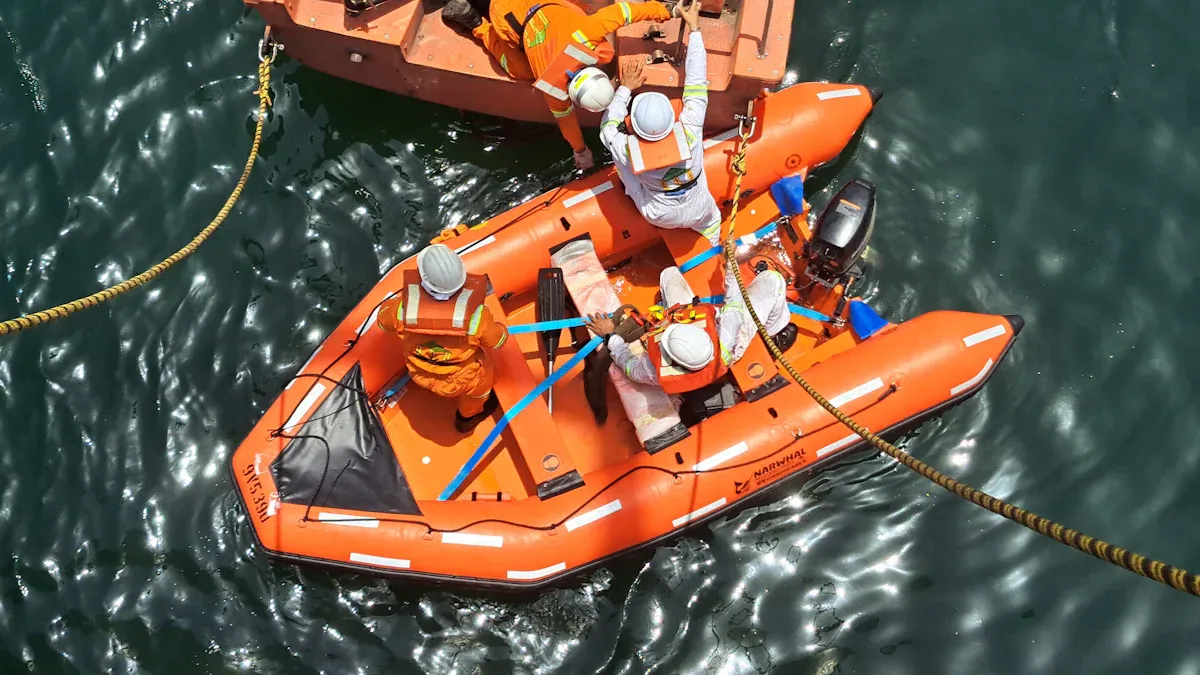
Image Source: pexels
Lifeboats are important when there is trouble at sea. They give you a safe spot to wait for help. Lifeboats have many features to help you live. Self-righting mechanisms help the boat turn upright if it flips over. Stability keeps the lifeboat steady in big waves. Buoyancy standards make sure the boat floats, even with water inside. Advanced communication systems help you call for help fast. Hypothermia prevention measures, like insulated suits, keep you warm in cold water. Signaling protocols, such as flares and beacons, help rescuers find you quickly.
Lifeboat Feature | How It Helps You Survive |
|---|---|
Self-righting mechanisms | Flips upright after capsizing |
Stability in severe conditions | Stays steady in rough seas |
Buoyancy standards | Floats even if flooded |
Advanced communication systems | Calls for help quickly |
Hypothermia prevention measures | Keeps you warm in cold water |
Signaling protocols | Alerts rescuers to your location |
Tip: Check that your lifeboats have these features before you leave.
You have to follow rules when picking lifeboats for your vessel. International laws, like the SOLAS Convention, set safety rules for lifeboats on ships. These rules say your lifeboat must fit everyone on board. You must be able to launch it in five minutes, even if the ship is tilted. Lifeboats need regular checks and care so they work when needed. Crew members must learn how to use and launch lifeboats. Each lifeboat must have food, water, thermal protection, signaling devices, navigation tools, and medical supplies.
Requirement | Details |
|---|---|
Capacity | Fits 100% of people on board |
Launch Time | Launches with full load in 5 minutes |
Maintenance | Regular inspection and upkeep |
Crew Training | Crew learns to launch and operate lifeboats |
Essential Gear | Includes food, water, thermal gear, signals, navigation, medical items |
Note: If you do not follow these rules, you could get fined and put your crew in danger.
Picking the wrong lifeboat can cause big problems. Bad maintenance and no training can lead to accidents. In 2019, a lifeboat fell at Shell's Auger platform because a release cable was damaged. Two people died because the cable was not fixed. This shows why you must check and care for lifeboats. In the past, the Mignonette shipwreck in 1884 ended badly because of poor lifeboat planning. The crew got in trouble with the law after they were rescued.
Always choose lifeboats that meet safety rules and train your crew. Good choices can save lives.
To pick the best lifeboat, you must know your vessel. Think about its type, size, and how you use it. These things help you choose lifeboats that keep you safe and follow the rules.
First, decide if your vessel is for work or fun. Commercial vessels move goods or people for money. Recreational vessels are for hobbies, like fishing or sailing. Commercial vessels need lifeboats with extra safety features. These lifeboats must follow strict rules. Recreational vessels can use simpler lifeboats, but safety still matters.
Passenger vessels carry people. Cargo vessels move things. Passenger vessels need lifeboats for everyone on board. Cargo vessels have fewer people, so lifeboats can be smaller. Always check the rules for your vessel type. The table below shows how vessel type and size change lifeboat needs:
Vessel Type | Lifeboat Type | Capacity Requirement |
|---|---|---|
Larger Vessels | Totally Enclosed Lifeboats | Needed for safety during emergencies |
Smaller Vessels | Enclosed Lifeboats | May meet basic safety rules |
Tip: Pick lifeboats that fit your vessel’s size and use. This keeps you safe and helps you follow the law.
Think about where you use your vessel. Offshore vessels go far from land. Coastal vessels stay close to shore. Offshore vessels face bigger waves and strong winds. Choose lifeboats that protect you in rough weather. Coastal vessels can use lifeboats that are easy to launch.
Weather at sea can change quickly. Storms, fog, and cold make emergencies harder. Pick lifeboats that work in all kinds of weather. Look for lifeboats with covers, insulation, and tough hulls. These features help you stay safe when the sea is rough.
Note: Lifeboats with weather protection help you last longer in emergencies.
Count everyone on your vessel. Lifeboats must have seats for all crew and passengers. Rules say every person needs a spot in a lifeboat. If you have more people, get bigger lifeboats or add more lifeboats.
Make sure lifeboats are easy to reach. Fast access saves time in emergencies. Comfortable seats and space help people stay calm. Lifeboats with clear entryways and safety gear make leaving the vessel easier.
Easy to reach
Comfortable seats
Safety harnesses
Simple instructions
Remember: Lifeboats that are easy to use and comfy help everyone stay safe and calm.
You want to be as safe as possible in an emergency at sea. Totally enclosed lifeboats from Deyuan Marine give you full protection. These lifeboats keep out wind, rain, and big waves. The strong shell stops water from getting inside. These lifeboats stay upright, even if they flip over in rough water. You also get enough supplies and shelter to last a long time.
Here is a table that shows how totally enclosed lifeboats are different from other types:
Feature | Enclosed Lifeboats | Totally Enclosed Lifeboats |
|---|---|---|
Protection Level | Some protection from wind and rain | Full protection from all weather and submersion |
Flood Resistance | Some water might get inside | Fully sealed and keeps out flooding |
Long-Term Survival | Good for short emergencies | Has supplies for long-term survival |
Tip: Pick totally enclosed lifeboats if you want the best safety for your crew and passengers.
Storms can happen at any time. Totally enclosed lifeboats from Deyuan Marine keep you safe in bad weather. The hard shell blocks wind, rain, and cold air. Inside, you stay dry and warm. These lifeboats work in freezing weather and strong storms. You can count on them to keep you safe in any climate.
When you need to escape fast, free fall lifeboats help you get away quickly. You launch these lifeboats by sliding them straight into the water. You do not need ropes or wires to launch them. This quick action can save lives during fires or sinking ships.
Here are some main benefits of free fall lifeboats:
You can launch them very fast, even with little warning.
They work well in rough water and bad weather.
You do not need special launching tools.
The design lets the lifeboat move away from the ship right away, so you stay safe.
You can use them while the ship is still moving.
Note: Free fall lifeboats are a good choice for ships that need fast and safe escape.
You can use free fall lifeboats on many kinds of ships. They fit well on cargo ships, oil platforms, and ships that travel far from land. Deyuan Marine makes these lifeboats to meet strict safety rules. You get a lifeboat that fits your ship and keeps everyone safe.
Open and partially enclosed lifeboats give you more choices. You can use them on different kinds of ships. These lifeboats are easy to get into and launch. They work well for quick escapes. Partially enclosed lifeboats give some shelter but are not as strong as fully enclosed ones. You get a mix of safety and easy use.
You should pick the right lifeboat for your ship’s job and the weather you expect. Here is a table to help you choose:
Lifeboat Type | Best Suited Scenarios | Features |
|---|---|---|
Cargo ships, offshore platforms, passenger vessels in mild climates | Quick escape, some shelter, easy to use | |
Enclosed Lifeboat | Cruise ships, cargo ships in steady weather, oil platforms, ferries | Good protection, safe for big groups, saves money |
Partially enclosed lifeboats are best for cargo ships and offshore platforms in mild weather.
Enclosed lifeboats are common on cruise ships and ferries when you need more shelter.
Remember: Always pick a lifeboat that matches your ship’s needs and the weather you might face.
You need a good launching system to use lifeboats fast and safely. Deyuan Marine has strong davit systems that make launching easy. Davits are metal arms that hold and lower lifeboats into the water. These systems work well when there is an emergency.
Some accessories help you launch lifeboats without waiting. Launching hooks keep the lifeboat in place until you let it go. Fall preventers stop the lifeboat from falling too early. Emergency release systems let you launch the lifeboat quickly if you must escape. These features keep you and your crew safe in emergencies.
Here are some important accessories for launching lifeboats:
Launching hooks for safe release
Fall preventers for extra safety
Emergency release systems for fast launching
You also need tools to help you after you launch the lifeboat. Marine battery chargers keep your equipment working. Magnetic compasses show you which way to go. Position lights and waterproof torches help rescuers see you at night or in bad weather.
Accessory | Purpose |
|---|---|
Launching hooks | Hold lifeboat until you let it go |
Fall preventers | Stop lifeboat from dropping by accident |
Emergency release system | Let you launch lifeboat very fast |
Marine battery charger | Give power to lifeboat electronics |
Magnetic compass | Help you find your way |
Position lights | Make lifeboat easy to see |
Waterproof torch | Give light in wet or dark places |
Tip: Always check your launching system and accessories before you leave. This makes sure your lifeboat is ready for any emergency.
Sometimes you need more than one kind of rescue boat for your vessel. Deyuan Marine has many rescue boats for different jobs. Some rescue boats are small and move fast. You can use them to reach people in the water quickly. Other rescue boats are bigger and can carry more supplies for longer trips.
Rescue boats have special features to help you. They have strong hulls that do not break easily. The controls are simple so you can use them fast. Many rescue boats have extra safety gear, like life jackets, first aid kits, and signaling devices.
Here are some rescue boat choices you can pick:
Fast rescue boats for quick help
Bigger rescue boats for long missions
Boats with strong hulls for hard conditions
Models with extra safety gear for the crew
Note: Choose rescue boats that fit your vessel’s size and the emergencies you might have. This helps you act fast and keeps everyone safe.
You have to follow important rules when picking a lifeboat. The International Maritime Organization and SOLAS Convention make these rules. These rules help keep people safe in emergencies. You should learn how these rules affect your lifeboat choice.
Here is a table that shows the main SOLAS and IMO rules for lifeboats:
Requirement | Description |
|---|---|
Capacity | Must fit everyone on board with lifeboats on both sides. |
Deployment | Lifeboats must launch with everyone inside in 5 minutes, even if the ship is tilted. |
Maintenance | Lifeboats need regular checks and care to be ready. |
Training | Crew must learn how to launch and use lifeboats. |
You need to check that your lifeboat fits everyone on your vessel. You also need to make sure you can launch it fast, even if the ship is leaning. Regular checks and crew training are not just smart—they are the law.
Tip: Always ask your lifeboat supplier if their lifeboats meet SOLAS and IMO rules before you buy.
You also have to follow rules from your country or region. These rules might ask for more safety gear or special crew training. You should talk to your local maritime authority to learn about these rules. If you follow both international and local rules, your vessel will be legal and safe.
Note: Local rules can change, so check them often to stay up to date.
Deyuan Marine cares a lot about quality. Every lifeboat gets tested many times before leaving the factory. These tests check if each part is strong, safe, and tough. You can trust your lifeboat will work when you need it.
Here is a table that shows some main lifeboat tests and certifications:
Requirement | Description |
|---|---|
Flexural ultimate strength and tensile tests | Each sample gets tested to make sure it is strong enough. |
Buoyancy material | Foam must meet special density rules for lifeboats. |
Steel sheet and plate | Must follow ASTM rules for strong parts. |
Cloth | Must meet material rules for building lifeboats. |
Fuel tank | Must pass a test to make sure it does not leak. |
Welding | Welders must be qualified and follow approved steps. |
Post assembly tests | Finished lifeboats get checked and inspected. |
You will see two main kinds of tests:
Static tests use a load that is 1.5 times heavier than normal. These tests check if the lifeboat can hold heavy loads.
Dynamic tests use a load that is 1.1 times heavier than normal. These tests check how the lifeboat works when moving or dropping into water.
Deyuan Marine builds lifeboats to meet world standards. The company uses good materials and skilled workers. Every lifeboat gets checked for leaks, strength, and safety. You get a lifeboat that follows the rules and helps you feel safe at sea.
Remember: Picking a lifeboat that passes tough tests means you are ready for any emergency.
When picking a lifeboat, look at what it is made of. The right material makes your lifeboat last longer. It also helps it stay strong in tough places. Lifeboats deal with saltwater, sunlight, and lots of use. Some materials work better for these problems.
Here is a table that shows common lifeboat materials and their properties:
Material | Properties |
|---|---|
Steel | Strong and durable; needs special care to stop rust. |
Aluminum | Light and resists rust well. |
Fiber Reinforced Plastic | Strong but light; does not rust, good for rough seas. |
Steel is tough and strong. You must treat it so it does not rust. Aluminum is lighter and does not rust as much. Fiber reinforced plastic is strong and does not corrode. These materials help your lifeboat stay safe and ready.
Tip: Choose a lifeboat with materials that fit your vessel and where you sail.
Safety features help you survive if there is an emergency. New lifeboats have many tools to protect you and your crew. You should check for these before you buy a lifeboat.
Self-righting keeps your lifeboat upright if it flips.
Fire-resistant materials lower the chance of fire inside.
Communication systems let you talk to rescue teams.
Navigation equipment helps you find the way to safety.
Good ventilation gives you fresh air while you wait.
You also need things like life jackets, first aid kits, and signaling devices. These help you stay safe and get found by rescuers. Deyuan Marine puts these features in their lifeboats so you have what you need.
Remember: Always make sure your lifeboat has the newest safety features and accessories.
Comfort is important when you are in a lifeboat. You want seats that feel good and space to move. Easy instructions help you use the lifeboat fast. Clear entryways let you get inside quickly.
Look for lifeboats with padded seats and safety harnesses. Good lights help you see at night or in bad weather. Simple controls make it easy for anyone to use the lifeboat. Deyuan Marine makes lifeboats that are comfy and easy to use, so you can stay calm and safe.
Padded seats for long waits
Safety harnesses for rough seas
Clear instructions for quick action
Good lighting for night or fog
Note: Comfortable lifeboats help you and your crew stay calm and focused in emergencies.
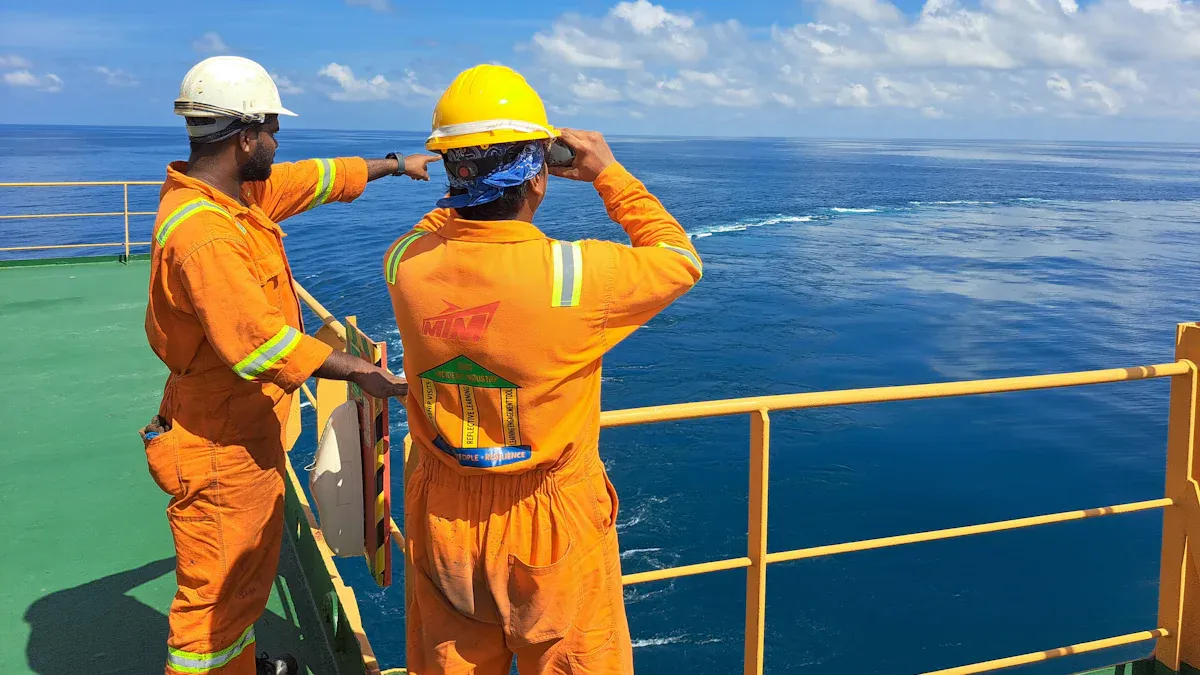
Image Source: pexels
Taking care of your lifeboat is very important. You need to check it often to make sure it works. Good care helps you get ready for emergencies at sea. If you follow a schedule, you can stop problems before they start.
You must look at your lifeboat many times each year. Safety groups have rules for how often you check your gear. If you follow these rules, you can find problems early. This also helps you follow the law.
Description | Requirements | |
|---|---|---|
Weekly | Inspect lifeboats and release gear | Compliance with SOLAS regulation III/20 |
Monthly | Conduct detailed maintenance checks | Follow on-board maintenance instructions |
A weekly check helps you see small problems fast. A monthly check lets you look at every part closely. Always use the instructions that come with your lifeboat.
Tip: Set reminders so you do not forget inspection days. This keeps your lifeboat ready for emergencies.
Good care keeps your lifeboat safe and working well. After you use the lifeboat, check it again. Look for damage and fix things right away. Use a checklist so you do not miss anything.
Check outside and inside for cracks or damage.
Look at the hull, engine, safety gear, and launch parts.
Start the engine to see if it works.
Try a practice launch to test the davits and release systems.
Write down what you find in a report.
Update your log when you fix or change parts.
Check the lifeboat after each use for wear.
Change old parts before they break.
Where you keep your lifeboat matters too. Store it in a place with good air and steady temperature. Too much heat or cold can hurt the boat and make it last less time.
Note: Taking care of your lifeboat helps you pass safety checks and feel safe.
Lifeboats need updates to follow new safety rules. Fixing up old lifeboats helps you meet the latest standards. This keeps your vessel’s papers good and everyone safe.
Aspect | Details |
|---|---|
Importance of Retrofitting | Ensures older lifeboats meet the latest safety regulations, maintaining vessel certification. |
Regulatory Updates | International conventions are updated to enhance safety for passengers and crew. |
Compliance Necessity | Retrofitting is necessary to avoid penalties and ensure compliance with global standards. |
Check your lifeboat often while your vessel is working. Look at expiration dates on supplies. Test all equipment to make sure it works right. If your lifeboat does not meet new rules, plan to upgrade or get a new one.
Check lifeboats often.
Look at expiration dates on supplies.
Test all equipment to see if it works.
Remember: Upgrading your lifeboat keeps your vessel safe and legal. Watch for new safety rules and act fast when you need to change something.
It is smart to talk to marine safety experts first. Experts know the newest rules and what works best. They help you pick lifeboats that fit your vessel’s size and type. You get advice about launch systems and safety features. Experts show you how to check lifeboat certifications. They also help you make emergency plans for sailing. If you want better safety, expert advice helps a lot.
Tip: Ask your lifeboat supplier for help and training. This helps you use your lifeboat the right way in emergencies.
You should compare lifeboat brands and models closely. Every vessel needs something different. Some lifeboats work best for cargo ships. Others are good for passenger vessels or yachts. You need to look at important things when you compare choices. The table below shows what to check:
Criteria | Description |
|---|---|
Reliability | Leading manufacturers prioritize reliability, essential for safety in emergencies. |
Compliance with Safety Standards | Ensure lifeboats meet international safety standards, such as SOLAS requirements. |
Capacity Certification | Lifeboats must match or exceed the vessel's registered crew count to avoid insurance issues. |
Launch System Compatibility | Check compatibility with the vessel's launch system, including weight distribution specifications. |
Hull Material | Consider materials like aluminum for corrosion resistance or fiberglass for impact durability. |
Propulsion | Verify that the lifeboat meets speed requirements and fuel compatibility with the vessel. |
Ask for product details and test results. Pick brands with good reputations, like Deyuan Marine. Reliable lifeboats help you stay safe in emergencies. Make sure the lifeboat fits your vessel’s launch system. Hull material is important for strength and easy care. Propulsion systems must be fast enough and work with your vessel’s fuel.
Note: Always pick lifeboats that meet safety rules and have the right certifications.
Think about your budget when you buy a lifeboat. Price matters, but safety is most important. Plan for new safety rules in the future. If you buy a lifeboat now, see if you can upgrade it later. Some lifeboats let you add new safety gear or accessories. You save money if your lifeboat lasts longer and needs less care.
Write down the features you need.
Decide how much you can spend.
Ask about upgrades for new safety rules.
Pick a lifeboat that fits your vessel’s future needs.
Check the warranty and after-sales support too. Good support helps you keep your lifeboat ready for emergencies. If you follow these tips, you make smart choices for your vessel and crew.
Remember: Buying the right lifeboat saves lives and keeps your vessel safe for a long time.
You help keep people safe when you pick the right lifeboat. Think about safety, rules, and what your vessel needs. If you want to survive at sea, do these things:
Look at your life-saving gear before every trip.
Check and fix lifeboats once a month.
Plan a big check and get expert help every year.
Talk to marine experts if you need advice. Deyuan Marine makes lifeboats you can trust. Act now so your crew stays safe and your vessel is always ready.
You need to pick a lifeboat with good safety features. Look for self-righting, weather protection, and easy launching. These things help keep you safe if there is an emergency at sea.
Check your lifeboat every week. Do a full check once a month. Regular checks help you find problems early and keep your lifeboat ready.
No, you must pick a lifeboat that fits your vessel’s type and size. Always check the rules for your vessel. Make sure your lifeboat meets all safety standards.
A lifeboat helps you leave your vessel in an emergency. A rescue boat is used to save people from the water. Some vessels need both types to be fully safe.
Check your lifeboat for SOLAS and IMO certifications. Ask your supplier for test results and certificates. These show your lifeboat follows global safety rules.
Deyuan Marine makes lifeboats that meet strict safety standards. You get strong materials, smart designs, and expert support. Many shipowners trust Deyuan Marine for safe marine equipment.
Read a sailing emergencies guide to get more tips. This guide teaches you about lifeboat choices, safety checks, and emergency plans for your vessel.